How to Find Low Competition Keywords for a New Website
New website? Here's how to find low competition keywords you can actually rank for — without spending months waiting for results.
Alex Carter
SEO Strategist · June 2, 2026
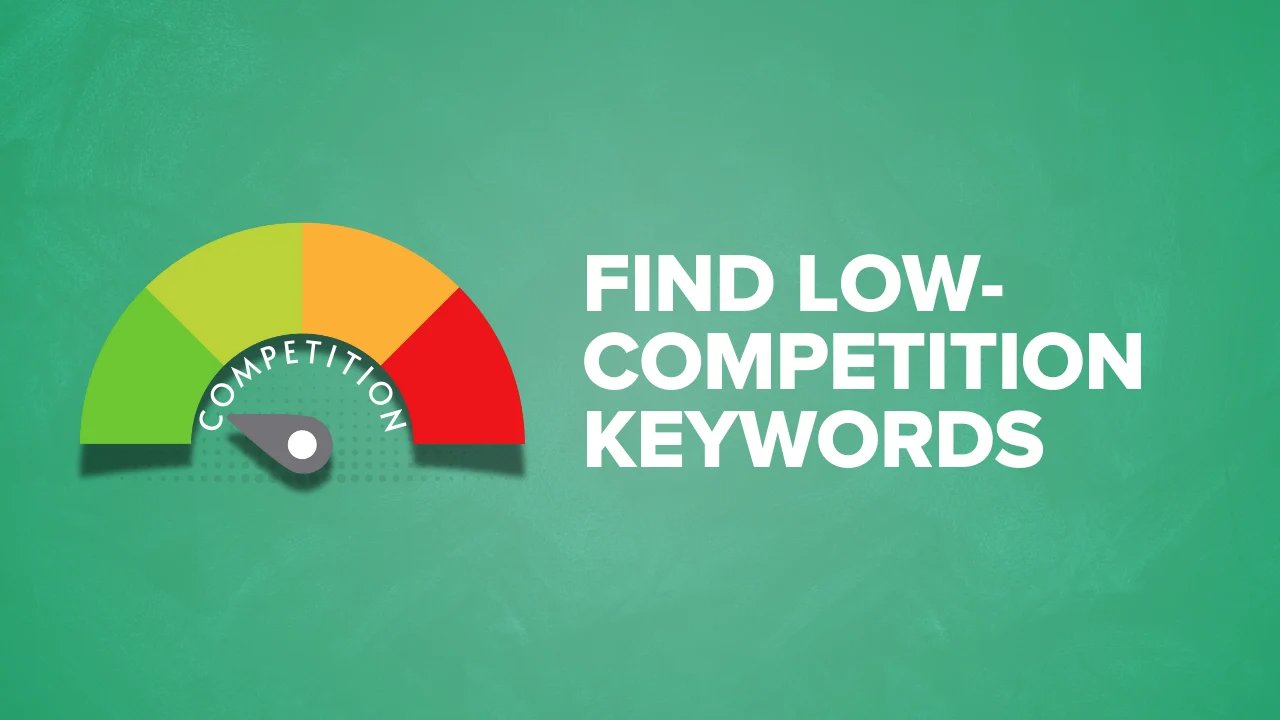
Starting a new website is exciting. Getting it to rank? That's where most people hit a wall.
Here's the truth: if you target keywords that established sites have been ranking for years, you're not going to show up on page one anytime soon. Not because your content is bad — but because the competition is stacked against you.
The fix is simple. Find low competition keywords for your new website and build from there.
This article shows you exactly how to do that.
Why New Websites Need to Think Differently About Keywords
A brand new domain has no authority. No backlinks. No track record with search engines.
That's not a death sentence — it just means you need to be smarter about which keywords you go after first.
Low competition keywords are search terms where the pages currently ranking are weak. Thin content. Few backlinks. Poor on-page optimization. Those are the gaps you can step into.
Win enough of those, and your site starts building authority. Then you can go after bigger keywords over time.
What Makes a Keyword "Low Competition"?
Two things matter most:
✅ Keyword difficulty score — Most keyword tools assign a difficulty score from 0 to 100. For a brand new site, aim for keywords scoring below 20. Ideally below 15.
✅ Quality of the current results — Sometimes a keyword has a low difficulty score but the top results are from massive publications. Other times a keyword with a score of 25 has weak pages ranking. Always look at what's actually on page one before you commit.
You're looking for a combination of both: a reasonable difficulty score AND weak pages currently holding the top spots.
How to Find Low Competition Keywords for a New Website
Start With Specific, Long Questions
New websites win with specificity. Instead of targeting "email marketing," target "how to set up an email list for a small blog."
Specific questions tend to have lower competition because fewer sites have written focused content around them. They also match search intent better, which helps you rank faster.
Plug topic ideas into Rankivo's keyword research tool and filter by difficulty. You'll see keyword suggestions along with difficulty scores and search volume — so you can find phrases that get real traffic without requiring years of authority to rank.
Look for Keywords Where Small Sites Are Already Ranking
Open an incognito browser and search the keywords you're considering. If you see personal blogs, small niche sites, or low-authority pages in the top five results — that's your green light.
If the top results are all from Forbes, HubSpot, and Healthline, move on. You're not beating those with a new site.
Use "Comparison" and "Versus" Angles
Searches like "X vs Y for beginners" or "is X worth it for small blogs" tend to have lower competition and high purchase or decision intent. People searching these are close to making a choice — and there's usually less content covering them directly.
Explore Topic Variations, Not Just the Exact Phrase
If the main keyword is competitive, look at variations. "Low competition keywords" might be tough. "Low competition keywords for new website" is more specific and easier to crack. Rankivo surfaces these variations automatically, so you're not manually guessing.
How Many Low Competition Keywords Should You Target First?
For a new site, focus on ten to fifteen low-competition articles before expanding to harder keywords. Each one builds a small amount of authority. Each ranking signals to search engines that your site is real and worth indexing.
Think of it as stacking wins, not swinging for home runs.
Once a few of those articles are ranking — even for 30 to 50 monthly searches — you'll have proof of concept. Then you scale.
What to Avoid
Don't target keywords just because the difficulty score is zero. Some of those get no searches at all. You want low competition AND real search volume — even if it's small. A keyword with 80 monthly searches and a difficulty of 8 is better than one with 5 searches and a difficulty of 2.
Also avoid targeting too many low-competition keywords on the same subtopic. Spread your early content across different angles within your niche to build broader topical authority.
The Smartest Move for a New Site
Before you write a single word, spend thirty minutes doing keyword research properly. Find five to ten low-competition keywords with clear intent, real (if modest) volume, and weak competition on page one.
That's the foundation that compounds. A new website that starts with the right keywords will outperform a more polished site that ignored this step.
For a deeper look at the broader strategy, check out the full how to find low competition keywords guide and the complete keyword research guide for beginners.
This Article Is Part of Our Keyword Research Series
📚 Explore the full Keyword Research Series
Start here:
Pillar article:
👉 How to Do Keyword Research for Beginners (2026 Guide)
Parent cluster article:
👉 How to Find Low Competition Keywords (Step-by-Step)
Sibling articles in this group:
👉 How to Find Low Competition Keywords for a New Website ← You are here
Explore the full series to go deeper on any topic.
Frequently Asked Questions
What are low competition keywords?
Low competition keywords are search terms where the pages currently ranking are weak — few backlinks, thin content, or poor optimization. They're easier for new sites to rank for.
What keyword difficulty score should a new website target?
Aim for a difficulty score under 20. Under 15 is even better when you're starting out. As your site gains authority, you can gradually go after harder terms.
Can a new website rank without backlinks?
Yes — if you target the right keywords. Low-competition, specific phrases with clear intent can rank from content quality alone, especially if the current results are weak.
How long does it take to rank for low competition keywords?
Typically two to eight weeks for very low competition terms, assuming your content is well-optimized and indexed. Higher difficulty adds more time regardless of how new the site is.
Do I need a paid tool to find low competition keywords?
Not necessarily. Rankivo offers a free plan with access to keyword difficulty data and suggestions, which is enough to get started. As your site grows, more advanced filtering becomes useful.
Written by
Alex Carter
SEO Strategist
Alex has spent 8+ years helping brands dominate search rankings. Specializes in technical SEO, keyword strategy, and content systems that drive compounding organic traffic.
Ready to create content like this?
Use RANKIVO to generate SEO-optimized content in seconds. Start free today.
Start Free — No Credit Card